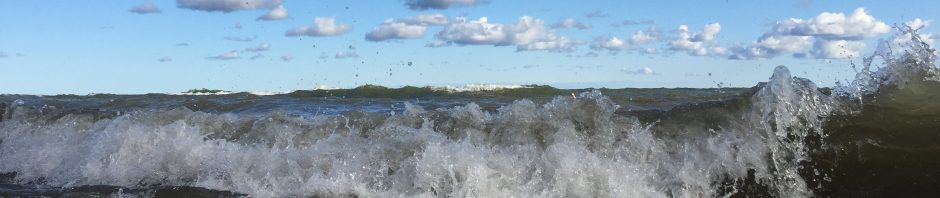
Save me, O God, *
for the waters have risen up to my neck.
I am sinking in deep mire, *
and there is no firm ground for my feet. Psalm 69:1-2
The depth of grief, of shock and loss, is unfathomable. Our hearts cry out with theirs.
And yet… Once upon a time, God promised never again to flood the whole earth (Genesis 9:11). Unfortunately, we have made no such promises. While the initial reports were cautious about assigning precise cause to the catastrophic flooding in Nepal and Tibet, they seem now to agree that the precipitating event was the breaking of a glacier.
The detachment of a chunk of the glacier wall came amid unusual heat that was likely to have melted the ice that bound the splintered bedrock together.
Two days before the collapse, the ground temperature hit its highest point in the last two years, according to Dr Hamish Pritchard, a glaciologist with the British Antarctic Survey, whose team had sensors 6 miles (10km) away from the site.
https://www.theguardian.com/world/2026/aug/27/climate-crisis-mountain-areas-glaciers-nepal-tibet
It is getting harder to deny the association with human-caused climate change than to confess it.
I heard someone on a radio panel not long ago discussing the conflict between our incorporation of ever more resource-hungry technology into our daily lives and the necessities of the planet for stability and health. This person described a class of technocrats who don’t mind destroying the earth for the sake of progress, since they believe that such progress will result in their becoming like gods, transcending the needs of humanity and its cousins here on earth, and able to leave its used-up husk for planet pastures new. It sounds like a fantasy, and yet it would explain a few things.
If the glacier cracked and fell because of human-caused climate change, our sin is still that of Eden (see Genesis 3). And if the fantasy were true, I, too, am complicit to the cause, seeding the cloud with this message.
Yet if we would become like gods, we would remember the mercy, the rhythm and restraint involved in creation, that all might have what they need; the goodness of the world that God looked upon with love, with light.
Pray for the people of Nepal and Tibet, the dead, the dying, the missing and the missed, the grieving, the helping, the despairing. And out of compassion pray, too, that we might learn to promise never again to flood the whole earth, and, with our knowledge of good and evil, to find a way to keep it.
But as for me, this is my prayer to you, *
at the time you have set, O LORD:
“In your great mercy, O God, *
answer me with your unfailing help.
Save me from the mire; do not let me sink; *
let me be rescued from those who hate me
and out of the deep waters.
Let not the torrent of waters wash over me,
neither let the deep swallow me up; *
do not let the Pit shut its mouth upon me.
Answer me, O LORD, for your love is kind; *
in your great compassion, turn to me.”
“Hide not your face from your servant; *
be swift and answer me, for I am in distress. (Psalm 69:14-19)


 over the water